What Are Supply Chain ERP Systems and How Do They Work?

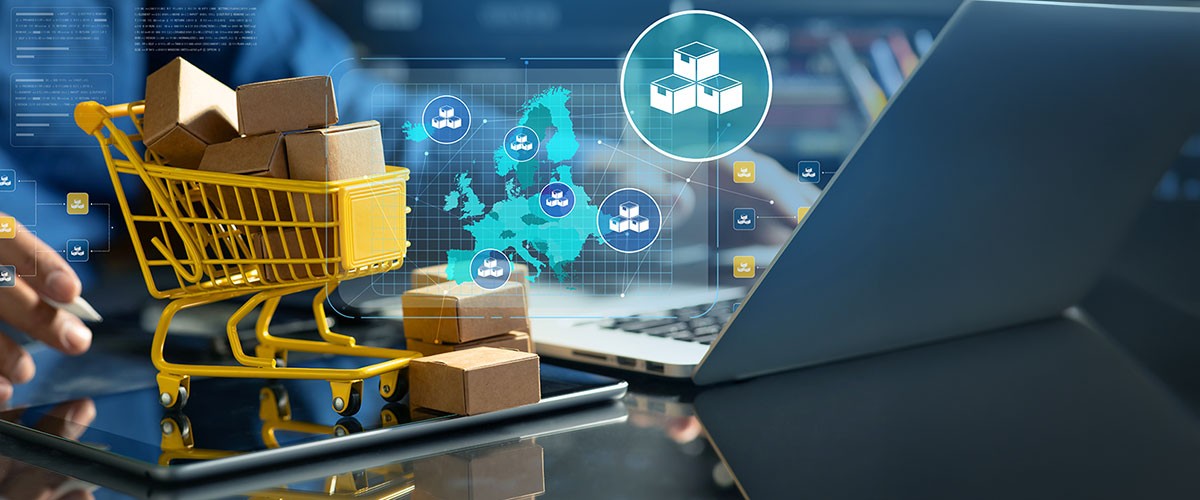
Supply chains are no longer simple, linear operations. Companies source materials from global suppliers, manage fluctuating customer demand, navigate transportation constraints, and face ongoing cost pressures. At the same time, customers expect faster delivery, accurate availability, and consistent service levels. As operations expand across warehouses, channels, and regions, complexity increases exponentially.
A Supply Chain ERP system addresses this challenge by connecting all supply chain activities within a single, integrated platform. Instead of treating procurement, production, warehousing, fulfillment, and financial management as separate functions, it centralizes them into one coordinated system.
The core problem it solves is visibility and control. When leadership lacks a unified view of supply, demand, inventory, and supplier performance, inefficiencies multiply. A Supply Chain ERP system provides the operational backbone needed to manage complexity with clarity.
What Is a Supply Chain ERP System?
A Supply Chain ERP system is an enterprise resource planning platform specifically designed to manage and optimize supply chain operations from end to end. It integrates traditional ERP functions — such as accounting, purchasing, and inventory management — with supply chain management (SCM) capabilities like demand planning, procurement coordination, warehouse control, and logistics tracking.
Rather than operating separate ERP and supply chain systems, a supply-chain-focused ERP combines both into a single, unified environment. This integration eliminates the need to move data between disconnected platforms and ensures that every department works from the same information.
For organizations operating in distribution, manufacturing, and retail, this level of integration is essential. VAI’s ERP platform, S2K Enterprise, is built with these industries in mind. It provides a unified database that connects supply and demand planning, procurement, warehouse operations, production coordination, and financial management into a single system. That unified structure allows leadership teams to see the entire supply chain as one synchronized operation.
How Supply Chain ERP Systems Work — The Core Mechanics
1. Centralized Data:
The foundation of a Supply Chain ERP system is centralized data. All operational information — customer orders, inventory balances, supplier contracts, forecasts, shipments, production schedules — flows into one common system.
This eliminates data silos and manual syncing across disparate applications. When an order is placed, inventory updates immediately. When stock is received, financial records reflect the transaction automatically. When production schedules change, purchasing adjusts accordingly.
Having one source of truth reduces confusion and ensures every department operates with consistent information.
2. Demand Planning & Forecasting
Supply Chain ERP systems use historical sales data, seasonality trends, and predictive analytics to anticipate demand. Instead of reacting to stock shortages, companies can plan replenishment.
Improved forecasting helps:
Reduce stockouts
Minimize excess inventory
Optimize reorder points
Align purchasing with expected demand
Stabilize production schedules
By connecting forecasting directly with procurement and inventory management, the system enables proactive planning rather than reactive adjustments.
3. Procurement & Supplier Management
A Supply Chain ERP system tracks vendor performance, pricing agreements, lead times, and delivery reliability. It can automatically generate purchase orders based on replenishment rules and forecasted demand.
Supplier contracts and delivery schedules are coordinated within the system, allowing procurement teams to:
Compare vendor performance
Manage multiple suppliers efficiently
Monitor on-time delivery rates
Adjust sourcing strategies based on real-time data
This level of coordination strengthens supplier relationships and reduces supply disruptions.
4. Inventory & Warehouse Management
Inventory is the operational heartbeat of distribution and manufacturing. Supply Chain ERP systems provide real-time tracking across warehouses, locations, and distribution centers.
As orders are placed, shipments move, or stock is received, inventory balances update automatically. Warehouse staff can access accurate picking instructions, track lot numbers, manage bin locations, and coordinate transfers between facilities.
Real-time visibility allows companies to maintain accurate available-to-promise quantities, improving customer service and reducing costly errors.
5. Production and Logistics Coordination
For manufacturers, production planning must align with supply and demand. A Supply Chain ERP synchronizes production schedules with raw material availability, labor capacity, and customer demand.
If demand increases, procurement adjusts. If raw materials are delayed, production schedules will be updated. If finished goods are ready for shipment, logistics coordinates delivery timelines.
The system tracks goods from sourcing through fulfillment and delivery, providing full lifecycle visibility.
6. Analytics and Reporting
Dashboards and reporting tools provide insight into key supply chain performance indicators:
Order fill rates
Inventory turnover
Supplier performance metrics
Backorder levels
Carrying costs
On-time delivery rates
Leadership teams can analyze trends, identify bottlenecks, and make informed strategic decisions.
If you want to see how real-time dashboards can transform supply chain visibility, explore VAI’s supply and demand planning solutions and discover how centralized analytics support better decision-making.
Key Benefits of Supply Chain ERP Systems
1. End-to-End Operational Visibility
Supply Chain ERP systems provide holistic insight into the entire supply chain — from sourcing raw materials to final delivery. This transparency enables leadership to identify inefficiencies, anticipate disruptions, and adjust strategies quickly.
2. Increased Efficiency Through Automation
Automation reduces manual processes such as order routing, inventory adjustments, and purchase order generation. By minimizing repetitive tasks, teams can focus on higher-value activities like strategic planning and supplier negotiations.
3. Better Forecasting and Demand Alignment
Forecasting models help align supply with demand. This reduces stockouts that damage customer relationships and minimizes excess inventory that ties up working capital.
4. Cost Reduction and Lean Operations
By eliminating errors, reducing manual labor, and optimizing purchasing decisions, ERP systems lower operational overhead. Improved inventory control reduces carrying costs and waste.
5. Stronger Supplier and Production Coordination
Supply Chain ERP connects planning with procurement and production timelines. When all departments operate within one system, coordination improves, and delays decrease.
Why Supply Chain ERP Matters for Distribution and Manufacturing
Distribution and manufacturing operations face unique challenges:
Multi-warehouse inventory complexity
High SKU volumes
Variable supplier lead times
Order fulfillment across multiple sales channels
Risk exposure due to global sourcing
Real-time inventory synchronization across warehouses ensures accurate stock levels and faster order processing. Coordinated planning reduces backorders and improves customer service.
VAI’s supply and demand planning applications are designed to reduce backorders by aligning forecast data with procurement workflows. By improving replenishment accuracy and supplier coordination, companies can fulfill more orders on time and strengthen customer relationships.
Cloud accessibility also enables managers to monitor operations from anywhere, supporting agility and responsiveness.
If improving service levels and reducing back orders are priorities, consider evaluating how an integrated ERP platform can support your supply chain objectives.
Core Features to Look For in a Supply Chain ERP System
When evaluating solutions, prioritize:
Unified database architecture
Demand planning and forecasting tools
Procurement workflows with automation
Real-time inventory management
Warehouse and fulfillment automation
Supplier collaboration tools
Analytics dashboards with KPI visibility
Cloud and mobile accessibility
These features ensure the system can manage both daily operations and long-term strategy.
Supply Chain ERP vs. Standalone Supply Chain Software
Standalone supply chain software often focuses on specific areas such as forecasting or warehouse management. While these tools may solve targeted problems, they typically require integration with accounting systems, CRM platforms, and inventory databases.
A Supply Chain ERP system consolidates these functions within one platform. Instead of exporting and importing data between systems, transactions update automatically across departments.
Standalone solutions may work during the early stages of growth. However, as operations expand, integration gaps create inefficiencies. ERP systems provide a more sustainable, scalable foundation.
Who Should Use a Supply Chain ERP System?
Businesses that benefit most include:
Manufacturers managing production schedules and raw material sourcing
Distributors and wholesalers coordinating multi-location inventory
Retailers operating across omnichannel environments
Logistics-heavy or multi-location organizations
Common signs a company needs a Supply Chain ERP system include:
Reliance on manual or spreadsheet-based processes
Frequent inventory inaccuracies
Poor demand forecasting
Lack of real-time operational data
Difficulty scaling operations
While enterprise organizations have long relied on ERP systems, many growing companies now require similar capabilities as operational complexity increases.
How to Choose the Right Supply Chain ERP System
Selecting the right platform requires careful evaluation.
Scalability and Flexibility:
The system should support expansion — additional warehouses, product lines, and users — without major disruption.
Integration Capabilities:
Ensure the ERP integrates with existing systems such as CRM platforms, e-commerce portals, and financial applications.
Supply Chain–Specific Modules:
Look for built-in modules designed specifically for distribution and manufacturing workflows.
Reporting and Real-Time Visibility:
Leadership needs clear dashboards and analytics to guide strategic decisions.
Usability and Adoption:
The system must be intuitive for employees to adopt effectively. Training and change management are critical.
Cloud vs. On-Premise:
Cloud deployment offers accessibility and simplified maintenance. On-premises may suit organizations with specific regulatory requirements.
Implementation and Support:
Strong implementation guidance and ongoing support reduce risk and accelerate return on investment.
If you are evaluating options, connect with a VAI ERP specialist to discuss how supply chain requirements align with available solutions.
Conclusion
Supply Chain ERP systems provide the visibility, efficiency, and coordination necessary to manage increasingly complex operations. By centralizing data, automating workflows, improving forecasting, and connecting procurement with production and fulfillment, they transform supply chains from fragmented processes into unified systems.
As supply networks expand and customer expectations rise, integrated ERP platforms are becoming essential rather than optional. Organizations that invest in centralized visibility and automation position themselves for long-term competitiveness and operational resilience.
If your organization is seeking greater control over inventory, procurement, production, and fulfillment, explore how VAI’s Supply Chain ERP solutions can help you unify operations and support sustainable growth. Speak with an expert to learn how integrated planning and real-time visibility can strengthen your supply chain performance.