Using AI-Driven ERP to Improve Inventory Accuracy

For operations managers, few challenges are more frustrating than inaccurate inventory data. From unexpected stockouts and costly overstocking to inefficient warehouse operations, poor inventory management affects the entire business, impacting everything from cash flow to customer satisfaction.
Traditional inventory tracking methods, even when supported by basic ERP systems, often rely heavily on manual inputs and delayed updates. As a result, discrepancies between recorded and actual stock levels become common, leading to wasted resources and reduced productivity.
This is where AI-driven ERP systems are transforming the way companies handle inventory. By combining the structured power of enterprise resource planning (ERP) software with the predictive intelligence of artificial intelligence (AI), businesses can now achieve unprecedented inventory accuracy, cost reduction, and operational efficiency.
How AI-Driven ERP Enhances Inventory Accuracy
Integrating AI into ERP systems gives businesses the power to predict, automate, and adapt in real time. Rather than simply recording transactions, an AI-powered ERP continuously analyzes data patterns to ensure accuracy across every step of the supply chain.
Predictive Analytics for Stock Levels: AI leverages historical data, seasonal trends, and demand fluctuations to forecast stock levels with precision. Predictive analytics within ERP inventory management systems help determine optimal reorder points, ensuring products are available exactly when needed, without tying up capital in excess stock.
For example, a tobacco manufacturer using AI in inventory management could anticipate increased demand before regulatory reporting periods and adjust production accordingly. This minimizes both shortages and surpluses, helping maintain compliance while reducing waste.
Automated Replenishment and Alerts: With AI-driven automation, replenishment becomes proactive rather than reactive. The system automatically triggers purchase orders when stock drops below the predicted threshold, eliminating the risk of manual oversight.
Automated alerts also notify warehouse managers of potential anomalies, such as sudden usage spikes or discrepancies between expected and actual stock counts, helping teams correct issues before they escalate.
Real-Time Inventory Tracking: Traditional ERP systems often update inventory after transactions are processed, but AI-enabled systems track inventory in real time using IoT devices, RFID scanners, and smart sensors. These tools feed continuous data to the ERP, ensuring instant visibility into stock movement across multiple locations.
This real-time insight allows managers to spot inefficiencies quickly, detect losses, and streamline fulfillment processes, which are essential for maintaining high inventory accuracy and meeting customer expectations.
How Can AI-ERP Integration Help Reduce Costs?
Improving inventory accuracy doesn’t just save time; it drives substantial cost savings. AI-driven ERP integration helps businesses identify inefficiencies and eliminate waste, lowering overall operational expenses.
Minimizing Overstock and Stockouts Carrying too much inventory ties up working capital, while stockouts lead to missed sales opportunities and unhappy customers. AI ERP integration strikes the perfect balance by continuously analyzing sales data, supplier performance, and market conditions to recommend optimal stocking levels.
This dynamic adjustment ensures that businesses can reduce carrying costs while maintaining availability, directly improving profitability.Optimizing Warehouse Operations: AI-powered ERP systems improve warehouse efficiency through intelligent task assignment, route optimization, and resource management. By analyzing order frequency and product movement, AI can redesign warehouse layouts to minimize travel time and improve picking accuracy.
For operations managers, this translates to faster order fulfillment, lower labor costs, and fewer bottlenecks during peak seasons.Reducing Labor and Manual Errors: Manual data entry remains one of the biggest sources of costly inventory inaccuracies. With automation, AI eliminates repetitive administrative tasks such as data input, reconciliation, and report generation.
The result is a more streamlined operation where employees can focus on higher-value activities like supplier management, strategic planning, or process improvement, all while reducing the likelihood of human error.
What Are the Key Features of AI-Powered Inventory ERP Systems?
The modern AI-powered ERP system integrates a range of advanced tools and technologies that go beyond basic tracking and reporting.
Machine Learning for Demand Forecasting: Machine learning models continuously learn from past data, adjusting to new patterns and improving accuracy over time. These models consider factors such as promotions, weather, market trends, and customer behavior to refine inventory forecasts dynamically.
For manufacturers, this means less guesswork and more strategic control over production and procurement decisions.
IoT and Barcode/RFID Integration: IoT sensors and RFID tags enable real-time tracking of raw materials and finished goods as they move through the supply chain. By linking these data sources with ERP systems, companies gain instant visibility into their entire inventory, from the factory floor to the customer’s doorstep.
This level of transparency not only enhances accuracy but also helps ensure compliance with industry regulations by providing traceable, time-stamped records for every transaction.
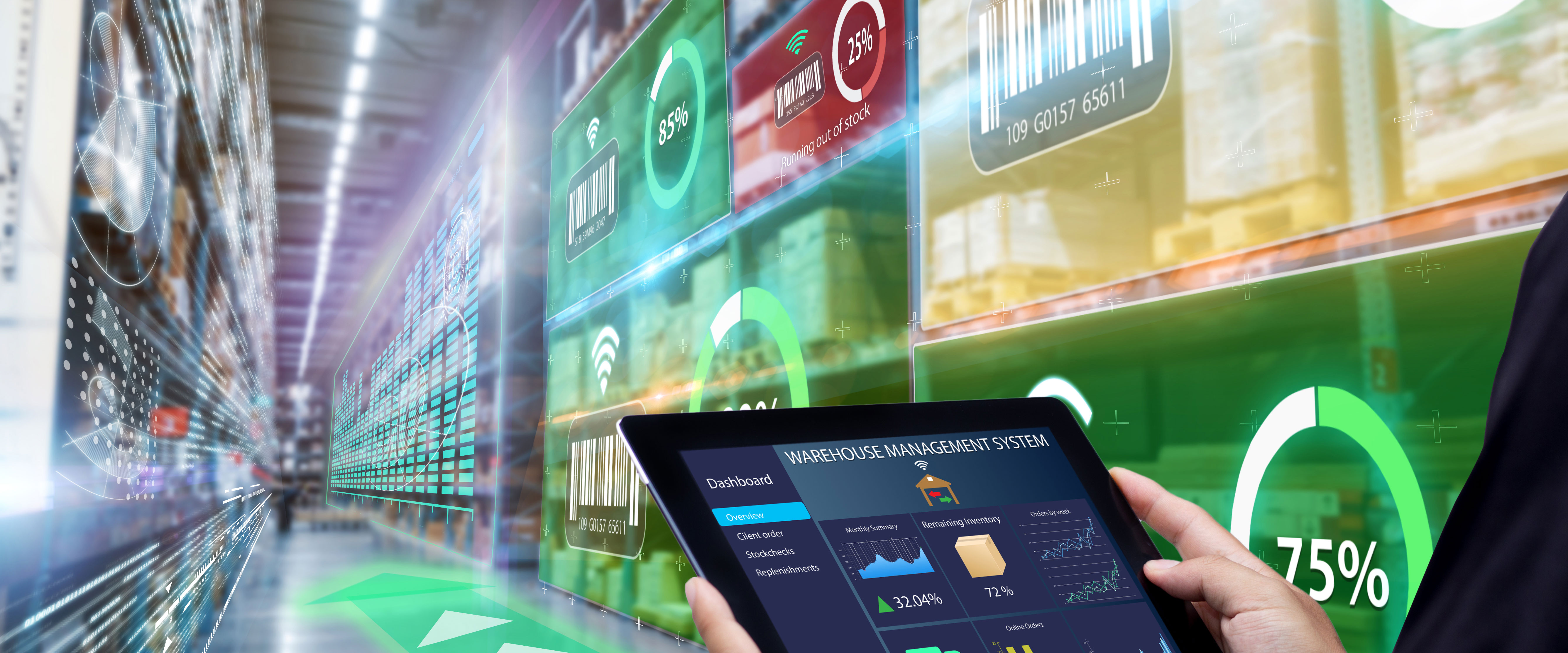
Dynamic Reporting and Dashboards: Modern ERP systems equipped with AI deliver intelligent dashboards that visualize key performance indicators (KPIs) like stock accuracy, turnover rates, and fulfillment times. Decision-makers can access actionable insights instantly and identify inefficiencies before they impact operations.
These dashboards turn complex data into clear, visual stories, empowering managers to make informed, data-driven decisions.
Steps to Integrate AI with the Existing ERP
Adopting an AI-driven ERP system requires strategic planning and careful execution to ensure success.
Assess Current Systems: Identify existing ERP capabilities, data flow, and pain points in inventory processes.
Define Objectives: Establish measurable goals such as reducing stock discrepancies by a specific percentage or improving fulfillment times.
Pilot the Integration: Begin with a limited rollout to validate the AI models and integration points before expanding organization-wide.
Monitor and Optimize: Continuously analyze results and fine-tune AI algorithms to maximize performance and accuracy.
Data Quality and Consistency Requirements
AI relies on clean, structured data. Before integration, ensure data from all sources, including sales, procurement, and warehouse operations, is accurate and consistent. Establish data governance policies to maintain reliability as systems scale.
How do you choose the right vendor or partner?
Selecting the right ERP provider is critical. Look for vendors experienced in AI ERP implementation services, particularly those with a track record in your industry. A strong partner should offer ongoing support, customization options, and compatibility with your existing infrastructure.
Solutions like VAI’s AI-driven ERP are designed to help manufacturers and distributors optimize inventory management with minimal disruption.
How can you measure success and ROI?
To justify the investment, it’s essential to track the performance of your AI-ERP integration.
Some metrics to track inventory accuracy improvements include:
Inventory Accuracy Rate (actual vs. recorded stock levels)
Order Fulfillment Rate (on-time and complete orders)
Cycle Count Accuracy and variance reduction over time
Tracking these KPIs provides measurable proof of how AI improves operational precision.
How can businesses realize cost savings through AI-driven ERP systems?
Companies implementing AI ERP software for manufacturers often see measurable cost reductions within the first year. Key savings include:
Lower carrying and storage costs due to reduced overstocking
Fewer emergency orders or expedited shipments
Decreased labor expenses through automation
Conclusion
Accuracy and efficiency aren’t optional; they’re essential for a business’s long-term success. Integrating AI into ERP systems empowers operations managers to gain full visibility, streamline processes, and significantly cut costs.
By using AI-driven ERP to improve inventory accuracy and reduce costs, businesses can move beyond reactive management and adopt proactive, intelligent strategies that ensure stability and growth.
Ready to take control of your inventory?
Learn how VAI can help you implement AI-driven ERP solutions that enhance accuracy, efficiency, and profitability.