FSMA 204 Compliance: How VAI ERP Helps You Stay Audit-Ready

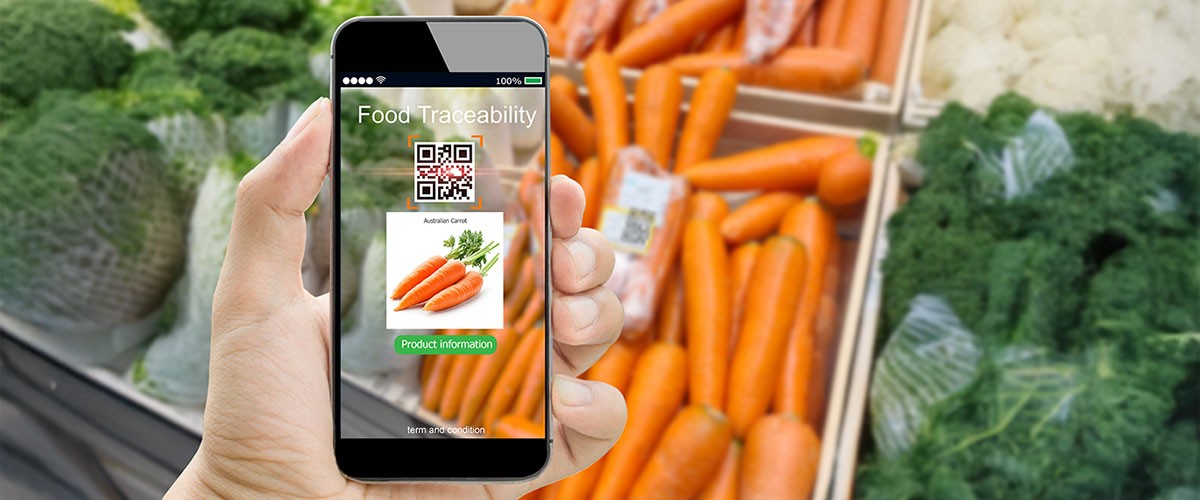
FSMA 204 compliance requires food companies to maintain fast, accurate, and digital traceability records across the supply chain. The regulation shifts food safety away from fragmented, manual processes and toward end-to-end visibility where speed and accuracy are mandatory.
Many food and beverage organizations still rely on paper logs, spreadsheets, or disconnected software. These approaches cannot meet FSMA 204 requirements when regulators demand complete traceability data within hours.
What Is FSMA 204?
FSMA 204 is an FDA regulation under the Food Safety Modernization Act that establishes enhanced traceability requirements for high-risk foods.
Its goal is to help the FDA:
Quickly identify the source of foodborne illnesses
Reduce the size and impact of food recalls
Improve overall food supply chain transparency
Companies that manufacture, process, pack, or hold foods on the Food Traceability List (FTL) must maintain digital traceability records covering every critical stage of product movement.
Why Is FSMA 204 Important?
FSMA 204 is important because it raises regulatory expectations for traceability speed, accuracy, and documentation.
The regulation requires companies to:
Track products at the lot level
Capture standardized traceability data
Produce complete records quickly during audits or recalls
Failure to comply can result in delayed recalls, regulatory penalties, operational disruption, and reputational risk. For many organizations, FSMA 204 compliance is now a core operational requirement—not just a regulatory task.
What Does FSMA 204 Require?
Critical Tracking Events (CTEs)
Critical Tracking Events (CTEs) are specific points where food changes location, ownership, or form.
FSMA 204 requires documentation of events such as:
Receiving
Creation
Transformation
Shipping
Harvesting (when applicable)
Each event must be recorded consistently to maintain a complete product history.
Key Data Elements (KDEs)
Key Data Elements (KDEs) are the required data points captured at each Critical Tracking Event.
These include:
Lot or batch numbers
Quantities
Dates and times
Supplier and customer identifiers
Shipping and receiving information
KDEs enable regulators to trace products backward and forward through the supply chain quickly and accurately.
Foods Covered by FSMA 204
FSMA 204 applies only to foods on the FDA’s Food Traceability List.
Examples include:
Fresh produce
Seafood
Cheeses
Ready-to-eat foods
Nut butters and other high-risk categories
Common Traceability Gaps That Put Compliance at Risk
Many food companies face FSMA compliance challenges due to:
Paper-based records and spreadsheets
Disconnected production, warehouse, and logistics systems
Limited real-time lot-level visibility
Slow or incomplete recall processes
Inconsistent data formats
No single source of truth
These gaps make it difficult to respond to FDA audits accurately and within required timeframes.
How VAI ERP Supports FSMA 204 Compliance
Automated Capture of CTEs and KDEs
VAI ERP automatically captures traceability data across operations, eliminating manual entry and reducing errors. This ensures records are accurate, standardized, and audit-ready.
Real-Time Lot-Level Tracking
VAI ERP provides real-time visibility into lot and batch movements across production, warehousing, and distribution, enabling instant traceability.
Faster Recall and Audit Response
With VAI ERP, companies gain:
End-to-end traceability
A centralized system of record
Immediate access to historical product data
This allows teams to respond to recalls and audits in minutes instead of days.
Standardized Compliance Recordkeeping
Consistent workflows ensure that traceability data is captured uniformly across all facilities and processes.
Built-In Food Safety Controls
VAI ERP supports:
Allergen tracking
Shelf-life and expiration management
Supplier data visibility
These controls strengthen food safety while supporting regulatory compliance.
Scalability for Future Regulations
VAI ERP provides a scalable foundation that supports evolving food traceability and compliance requirements beyond FSMA 204.
Why a Connected Technology Ecosystem Matters
FSMA 204 compliance requires integrated systems, not siloed tools.
VAI ERP integrates with:
WMS for lot handling and storage conditions
PLM for formulations, allergens, and labeling
TMS for shipping and delivery traceability data
EDI for supplier and retailer data exchange
This connected ecosystem ensures traceability data flows seamlessly across the supply chain.
Why Food & Beverage Companies Trust VAI ERP
Food and beverage organizations trust VAI ERP because it offers:
Deep industry expertise
Proven food safety and compliance capabilities
Scalable, cloud-based technology
Centralized documentation and reporting
Real-time operational visibility
VAI ERP is purpose-built for regulated food environments.
Ready to Strengthen Your FSMA 204 Compliance?
FSMA 204 compliance requires visibility, speed, and accuracy. VAI ERP delivers the digital infrastructure food companies need to stay audit-ready and protect their brands.
Request a personalized demo to see how VAI ERP supports FSMA 204 compliance in real-world operations.
See how VAI supports this with food and beverage distribution ERP.
Related reading: meat and seafood ERP software.
For a deeper look, see our S2K Warehouse for FSMA 204 compliance webinar.
FAQs About FSMA 204 & ERP Compliance
What data does FSMA 204 require?
FSMA 204 requires capturing Key Data Elements such as lot codes, quantities, dates, and supplier/customer information at each Critical Tracking Event.
Do all foods require FSMA 204 traceability records?
No. FSMA 204 applies only to foods listed on the FDA’s Food Traceability List.
How quickly must companies respond to FDA audits?
Companies must provide complete traceability records within a short timeframe defined by the FDA, making digital ERP systems essential.